The American Dental Association and the learning technology company Immersify launched a new online course called Foundations First on July 7, 2026, designed to train entry level dental assistants before they ever touch a patient chair. The course runs six to eight hours, costs 99 dollars, and uses AI driven 3D simulations to cover the basics of a dental operatory. For families, the practical upside is simple: the assistant who seats your child, takes the X rays, and hands the dentist instruments is more likely to have standardized, evidence based training before your first visit.
What exactly did the ADA and Immersify launch?
The ADA and Immersify launched Foundations First, a self paced online course that prepares new dental assistants for their first week on the job. According to ADA News, the course was built with ADA subject matter experts and is delivered by Immersify, an AI powered learning technology company. It is meant to be completed before an assistant sees a first patient, so that both the new hire and the practice avoid the overwhelm of learning everything on the fly.
The course is organized into six modules: infection control, dental terminology, common instruments and the operatory, chairside assisting, an introduction to HIPAA compliance, and first week readiness. Rather than static slides, it uses interactive 3D simulations and branching scenarios that reflect the real decisions a new assistant faces at the chair. Participants who finish receive a verifiable certificate of completion.
Key facts and stats
- Launch date and partners: Foundations First went live on July 7, 2026, a joint effort of the American Dental Association and Immersify (Source: ADA News, 2026).
- Format and price: Six to eight hours of self paced learning across six modules, priced at 99 dollars and usable on any device (Source: ADA News, 2026).
- Why the demand is real: In any given month, four out of ten dental practices are trying to hire dental assistants or dental hygienists (Source: ADA Health Policy Institute, 2022).
Why does new dental assistant training matter for families?
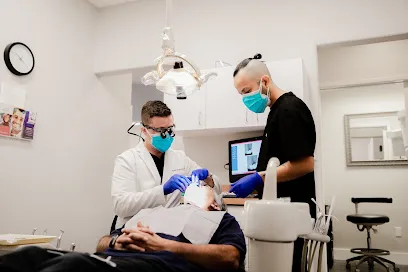
It matters because dental assistants do much of the hands on work families actually experience during a visit, and shortages have made consistent training harder to guarantee. In many states there is no formal education or licensure requirement for an entry level dental assistant, so a new hire may learn entirely on the job. That variability is exactly what a standardized course is built to reduce. When you take a child to a busy family dentistry practice, the assistant is often the person who greets your child, positions them for radiographs, explains what a tool does, and follows the infection control steps that keep the operatory safe.
The hiring pressure behind this is documented. The ADA Health Policy Institute has reported that four out of ten dental practices are recruiting assistants or hygienists in any given month, a staffing gap that intensified after 2020. When practices hire quickly to fill chairs, a short, structured onboarding course gives a new assistant a baseline in infection control and chairside procedure before they are working on real patients, including children who need extra patience and care.
Who is this course actually for?
Foundations First is aimed at brand new dental assistants and at the practices that hire them, especially in states that allow on the job training. Jennifer Thompson, D.D.S., Chair of the ADA Council on Dental Practice, framed it directly.
"This innovative training tool is a valuable resource for dentists in states that allow on-the-job training for entry-level dental assistants."
In practice, that means a family or pediatric office can hand a new hire a consistent starting point instead of building onboarding from scratch. For a pediatric dental practice, where the assistant needs to manage both the clinical tasks and a nervous young patient, a baseline in terminology, instruments, and chairside assisting can shorten the ramp up and reduce first week mistakes.
How does an AI simulation course differ from traditional training?
The difference is that Foundations First replaces passive reading with interactive 3D simulations and branching decision scenarios. Traditional on the job training often means shadowing a busy colleague and absorbing whatever comes up that day, which is inconsistent from office to office. A simulation based course lets a new assistant practice choices, such as how to set up an operatory or follow an infection control step, in a low stakes digital environment before doing it with a live patient.
This fits a broader move toward technology assisted learning and workflow tools across dentistry. Smile Listing has covered related shifts, including how the profession is debating the future of its workforce in the American Dental Hygienists' Association push for doctoral level hygiene education. Foundations First sits at the entry level end of that same conversation: raising the floor of preparation for the people who staff everyday family practices.
How much does it cost and what do you get?
The course costs 99 dollars and delivers six to eight hours of training that a new assistant can complete on any device before their first patient. For that price, learners move through the six modules, work through the interactive scenarios, and earn a verifiable certificate of completion. The ADA has also signaled that a second, more advanced course called Case Study Driven is expected later in 2026, aimed at deepening skills beyond the first week basics.
For families, the cost is not something you pay. It is a signal of how your dental office invests in its staff. A practice that trains its assistants with a standardized course is one more data point, alongside reviews and credentials, that can help you judge quality when you choose where to take your family.
What should parents take away from this?
The takeaway is that the person assisting your dentist is increasingly likely to arrive with formal, standardized preparation rather than only informal on the job learning. That is a quiet but meaningful improvement in the consistency of care, from infection control to how confidently a new assistant handles a child in the chair. When you are comparing clinics on Smile Listing, it is reasonable to ask a practice how it trains and onboards its dental assistants, the same way you might ask about a dentist's continuing education.
Frequently asked questions
What is Foundations First?
Foundations First is an online training course launched by the ADA and Immersify on July 7, 2026, that prepares new dental assistants before they see their first patient. It runs six to eight hours across six modules and costs 99 dollars.
Does a dental assistant need a license?
Requirements vary by state. Many states allow entry level dental assistants to be trained on the job without a formal license, which is one reason the ADA and Immersify built a standardized starter course.
Will this course make my family's dental visit better?
It does not change your dentist, but it aims to make the assistant who supports your visit more consistently prepared in infection control, terminology, instruments, and chairside procedure before working with patients.
How can I tell if my dentist's staff is well trained?
You can ask the practice directly how it onboards and trains new dental assistants, review the clinic's credentials and patient reviews, and use a directory like Smile Listing to compare local family and pediatric practices.
Updated July 2026. Reporting based on the American Dental Association news release and the ADA Health Policy Institute. Sources: ADA News and the ADA Health Policy Institute.