Back to School Dental Checkups in 2026: Why This Year's Visit Matters More for Families
A back-to-school dental checkup has always been smart, but in 2026 it is doing more preventive work than it used to. With Utah and Florida now banning community water fluoridation and roughly 21 states having introduced bills to end or roll it back, many children are getting less protection from their tap water, which puts more of the cavity-prevention job on the twice-a-year dental visit. The practical takeaway for parents: book your child's exam two to six weeks before the first bell, and ask specifically about fluoride and sealants.
Key facts at a glance
- Eliminating fluoride from US public water systems is projected to cause about 25.4 million additional decayed teeth in children over five years and roughly 9.8 billion dollars in added dental costs, according to a modeling study published in JAMA Health Forum in May 2025 by researchers at Mass General Brigham and Harvard School of Dental Medicine.
- By age 9, half of children (50 percent) have already had a cavity in their primary or permanent teeth, per the US Centers for Disease Control and Prevention (CDC).
- Children aged 6 to 9 from lower-income families have untreated tooth decay at about 2.5 times the rate of wealthier peers, roughly 25 percent versus 10 percent, according to CDC data.
- Two states, Utah (HB 81) and Florida (SB 700), have enacted laws banning fluoride additives in public water, and at least 21 states introduced related bills during 2025 legislative sessions, per the National Conference of State Legislatures (NCSL).
Why does the 2026 back-to-school checkup matter more than before?
It matters more because a long-standing layer of everyday cavity protection is being removed in a growing number of communities, so the dental visit has to make up the difference. Community water fluoridation has quietly lowered decay rates for decades by delivering a small, steady dose of fluoride to everyone who drinks tap water, regardless of income or dental access. When a state or city ends fluoridation, the families most affected are often the ones with the least access to regular dental care.
That is why the numbers behind the fluoride debate are so striking. The JAMA Health Forum model, which drew on data from 8,484 children ages 0 to 19 in the National Health and Nutrition Examination Survey (NHANES), estimated that a nationwide fluoride ban would raise tooth decay by 7.5 percentage points and produce one additional decayed tooth for every three American children over five years. Publicly insured children were projected to bear the largest share of the increase.
"Fluoride replaces weaker ions within tooth enamel, making it stronger and less susceptible to tooth decay caused by bacteria," said Lisa Simon, MD, DMD, of Brigham and Women's Hospital, a senior author of the study.
The American Dental Association (ADA) continues to support community water fluoridation and has warned that removing it would raise costs and worsen oral health. For families in places that have already stopped fluoridating, that does not mean prevention is lost. It means the protection has to come from somewhere else, and a dental checkup is where a dentist maps out that plan.
When should you schedule the visit?
Schedule it two to six weeks before the first day of school so there is a buffer to treat anything the dentist finds before classes, lunch periods, and fall sports begin. A cavity caught in July is a quick, low-stress appointment. The same cavity discovered as a toothache in October can mean missed school and a more involved procedure. Because most children are advised to see a dentist every six months, the late-summer visit also lines up neatly with the recommended twice-a-year schedule.
If your family is in or near Abbeville, Louisiana, a local general practice such as Abbeville Family Dental is a practical starting point for a routine exam and cleaning. For younger children or kids who feel anxious in the chair, a dedicated pediatric office such as Super Kids Dental is built around shorter visits, kid-friendly language, and preventive care like sealants and fluoride varnish.
What is the right dental visit schedule by age?
The right schedule starts earlier than many parents expect and settles into a twice-a-year rhythm. The American Academy of Pediatric Dentistry (AAPD) recommends a first visit by age 1, then regular checkups as the child grows. The table below summarizes the general milestones, though a dentist may adjust the interval for a child at higher or lower risk of decay.
| Age range | Recommended dental milestone |
|---|---|
| By age 1 | First dental visit, by the first birthday or within six months of the first tooth, per AAPD. |
| Ages 1 to 5 | Checkups and cleanings about every six months, plus guidance on brushing, diet, and fluoride. |
| Ages 6 to 12 | Twice-yearly exams as permanent molars come in, when dental sealants are commonly recommended. |
| Ages 13 and up | Continued twice-yearly visits, with orthodontic evaluation as needed for teens. |
What should you ask the dentist this year?
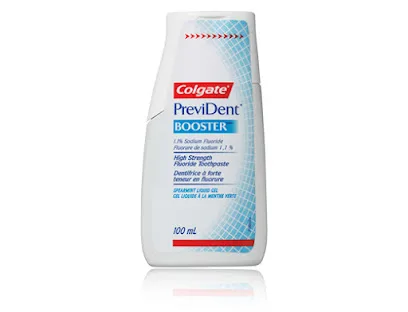
Ask directly about fluoride and sealants, because those are the two tools that most cleanly replace what fluoridated water once provided. If your community has ended fluoridation, a dentist can add professionally applied fluoride varnish, prescribe a stronger fluoride toothpaste, and place sealants on the chewing surfaces of back teeth. Sealants are thin protective coatings that the CDC has repeatedly identified as one of the most effective ways to prevent cavities in school-aged children.
A few useful questions to bring to the appointment:
- Is our tap water still fluoridated, and if not, what should we use at home instead?
- Does my child need sealants this year, and on which teeth?
- How is my child's brushing and flossing technique, and what should change?
- Are there early signs of crowding or bite problems that an orthodontist should review?
How can families prepare before the appointment?
Preparation is mostly about timing and paperwork, both of which reduce stress on the day of the visit. Confirm that the practice accepts your insurance or Medicaid plan, gather any records if you are switching dentists, and reset brushing habits that may have slipped over summer. For young children, reading a picture book about visiting the dentist and scheduling the appointment for a morning, when kids are less tired, can make the exam go more smoothly.
It also helps to treat the checkup as the start of a routine rather than a one-time errand. Families who lock in the every-six-month cadence, and who know their fluoride status, tend to catch small problems while they are still small.
Frequently asked questions
When should my child have a back-to-school dental checkup?
Aim for two to six weeks before school starts so there is time to treat any cavities found before classes and sports begin. This also fits the twice-a-year visit schedule most children are advised to follow.
Does my child still need fluoride if our town removed it from the water?
Yes. If community water fluoridation has stopped, a dentist can recommend alternatives such as in-office fluoride varnish, prescription-strength fluoride toothpaste, and dental sealants.
At what age should a child first see a dentist?
The AAPD recommends a first dental visit by the child's first birthday or within six months of the first tooth appearing.
The bottom line
The core advice has not changed: take your child for a checkup before school starts and keep it up twice a year. What has changed in 2026 is the backdrop. As more communities remove fluoride from their water, the dental visit is carrying more of the preventive load, which makes booking it, and asking the right questions, more valuable than ever. You can browse verified family and pediatric dentists on Smile Listing to find a practice near you.
Primary sources: JAMA Health Forum modeling study, CDC oral health facts, and the NCSL fluoride policy tracker.
Updated July 2026.